How to Handle a Car Accident in the Rain: Essential Steps and Safety Tips
- 1 - Why Rain Makes Driving Hazardous
- 2 - Immediate Actions After a Car Accident in the Rain
- 3 - Collecting Information and Documenting the Scene
- 4 - Dealing with Insurance and Claims
- 5 - When to Contact a Towing Service
- 6 - Prevention and Driving Tips for Rainy Conditions
- 7 - Final Thoughts and Recommendations
1. Why Rain Makes Driving Hazardous
Driving in the rain can significantly increase the risks on the road. Wet roads reduce tire traction, making it harder to stop quickly, especially in emergencies. The risk of hydroplaning—where your car loses contact with the road due to water buildup—also increases in rainy conditions. In fact, the risk of accidents can be up to three times higher in rainy weather compared to dry conditions. Understanding how weather conditions affect your car’s handling can help you stay safe on the road.
Additionally, rain can reduce visibility, making it more challenging to spot other vehicles, pedestrians, or obstacles in your path. Traffic may be slower, and drivers may be more prone to sudden braking or swerving. All of these factors combine to make driving in the rain much more dangerous, especially if the weather is particularly heavy or unpredictable. This makes knowing how to handle a car accident in these conditions even more critical.
Cross Island Group
635 Commercial Ave, Garden City, NY 11530, USA
2. Immediate Actions After a Car Accident in the Rain
If you are involved in a car accident while driving in the rain, it’s crucial to stay calm and take immediate action to ensure your safety and protect your legal rights. Follow these steps:
- Ensure Safety First: If you are able, move your vehicle to a safe location away from traffic. If your car is still operational and it's safe to do so, pull over to the shoulder or a parking lot. Turn on your hazard lights to alert other drivers of the situation.
- Check for Injuries: Assess yourself and passengers for any injuries. If anyone is hurt, call emergency services immediately for medical assistance. Even if you don’t feel injured, it’s still important to get checked out by a professional.
- Stay Inside the Vehicle: If you are on a busy highway and it’s unsafe to exit the vehicle, stay inside with your seatbelt on until help arrives. Exiting your car in heavy rain can expose you to additional dangers like passing vehicles or slippery roads.
3. Collecting Information and Documenting the Scene
Once it’s safe to do so, gather the necessary information and document the accident scene. This will be important for insurance claims and potential legal issues later on:
- Exchange Information: Exchange names, addresses, and insurance details with the other driver(s) involved. Be sure to get the make, model, and license plate number of all vehicles involved in the accident.
- Take Photos: Use your phone to take clear photos of the scene, including any damage to vehicles, skid marks, and the surrounding area. If the weather conditions caused specific hazards, like standing water, make sure to capture those as well.
- Document the Weather Conditions: Make a note of the rain intensity, visibility, and any other relevant weather details. This can help establish the context of the accident if there’s a dispute about road conditions or negligence.
4. Dealing with Insurance and Claims
After an accident, the next crucial step is to handle insurance claims. The process can vary depending on your insurance provider and the specifics of the incident, but here’s what you should know:
- Contact Your Insurance Company: Notify your insurer as soon as possible after the accident. Provide them with the details, including the police report, photos, and the other driver’s insurance information. Most insurance policies require that you report an accident within a certain time frame to avoid penalties.
- Understand Your Coverage: If you have collision coverage, your insurance should help cover the repair costs for your vehicle. If you were not at fault, the other party’s insurance may cover your damages. Make sure to review your policy to understand your coverage.
- File a Police Report: In some cases, especially when there are significant damages or injuries, a police report may be necessary. This will help clarify the facts of the incident and support your claim.
5. When to Contact a Towing Service
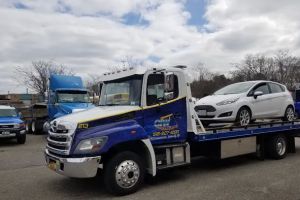
If your car is not drivable after the accident, you will need to contact a towing service. Here are some signs that it’s time to call for help:
- Your Car Is Stuck: If your vehicle is stuck in a ditch or other hazardous area, it’s essential to call a towing service to safely remove your car and prevent further damage.
- Severe Damage: If the car has sustained major damage that makes it unsafe to drive, towing is necessary. Don’t attempt to drive a damaged car, especially if it’s leaking fluids or has a broken axle.
- Weather Conditions: If the rain has caused your car to get stuck in a flooded area or if visibility is poor, a towing service will help remove your vehicle from the hazardous conditions safely.
6. Prevention and Driving Tips for Rainy Conditions
While you can’t always avoid accidents, there are steps you can take to reduce the risk of getting into an accident during rainy weather. Here are some important tips for driving safely in the rain:
- Reduce Your Speed: Wet roads reduce traction, so it’s essential to slow down and maintain a safe distance from the vehicle in front of you. This will give you more time to react in case of an emergency.
- Use Your Headlights: Turn on your headlights to improve visibility for yourself and others. In some states, it’s legally required to use headlights when driving in the rain.
- Avoid Puddles and Standing Water: Try to steer clear of large puddles, which can cause hydroplaning. If you must drive through standing water, do so slowly to minimize the risk of losing control of your vehicle.
7. Final Thoughts and Recommendations
Handling a car accident in the rain can be stressful, but knowing how to react and what steps to take can help mitigate the impact. Always prioritize safety first—both your own and that of others around you. Be sure to document the scene, contact your insurance company promptly, and seek professional towing assistance when necessary. By following these steps, you can navigate the aftermath of an accident more effectively and ensure that the process is as smooth as possible.
Remember, driving carefully in rainy conditions is key to avoiding accidents altogether. Practice good driving habits, maintain your car in excellent condition, and always be cautious when weather conditions are less than ideal.