How to Handle a Car Accident in a Parking Garage
- Understanding the Situation After a Parking Garage Accident
- Step-by-Step Guide to Handling the Accident
- Common Causes of Parking Garage Accidents
- What to Do Legally After an Accident
- Safety Tips for Avoiding Parking Garage Accidents
- How to Choose a Reliable Towing Service
Understanding the Situation After a Parking Garage Accident
Car accidents in parking garages are relatively common but can be stressful and confusing. Whether it's a minor fender bender or a more serious collision, it's crucial to stay calm and know how to handle the situation properly. Unlike accidents on open roads, parking garage accidents often occur in tight spaces, making it harder to assess the damage and exchange information. However, knowing the right steps to take will help protect your rights and ensure you handle the situation appropriately.
In this guide, we’ll walk you through everything you need to know about handling a car accident in a parking garage, from assessing damage to legal steps and choosing the right towing service when necessary. By following these steps, you can navigate the aftermath of a parking garage accident with greater ease and peace of mind.

Ron's Garage
1130 Rosewood St, Ann Arbor, MI 48104, USA
Step-by-Step Guide to Handling the Accident
The steps you take immediately after a parking garage accident are crucial to ensuring that you're properly compensated and legally protected. Here’s a clear step-by-step guide:
Ron's Garage
1130 Rosewood St, Ann Arbor, MI 48104, USA
1. Check for Injuries
First, check for injuries, both for yourself and for any passengers or other drivers involved. Safety should be your top priority. If anyone is injured, call 911 immediately for medical help.
Even if there are no apparent injuries, it's always best to be cautious. Adrenaline can sometimes mask pain, so it's important to assess the situation thoroughly before assuming everything is fine.
2. Move Your Car If Possible
If the accident is minor and your car is still operable, move it to a safe location within the parking garage. This helps prevent further accidents and clears up traffic. However, if your car is not drivable, or you feel unsafe moving it, leave it where it is and alert others in the garage to avoid any additional collisions.
3. Document the Scene
Take photos of the accident scene, including the positions of the vehicles, any visible damage, and the surrounding area. Be sure to capture all angles and take close-up shots of any damage. This documentation will serve as important evidence for your insurance claim or any legal actions that may follow.
Also, write down any relevant details such as the time, date, and any witness information. If there are any security cameras in the parking garage, ask the property owner or manager if you can access the footage as additional evidence.
4. Exchange Information
Next, exchange contact and insurance information with the other driver. This includes names, phone numbers, driver’s license numbers, license plate numbers, and insurance policy details. If there are any witnesses to the accident, get their contact information as well.
5. Report the Accident
Depending on the severity of the accident, you may need to file a police report. For minor accidents, a police report may not always be necessary, but it can be useful for insurance claims and liability disputes. Be sure to follow up with the local authorities if you’re unsure about the requirements.
Common Causes of Parking Garage Accidents
Accidents in parking garages are often caused by factors unique to these environments. Some common causes include:
1. Limited Visibility
Parking garages are typically dimly lit, which makes it harder to spot obstacles or other vehicles, leading to collisions. Tight corners and poorly marked spaces can also contribute to accidents, especially when visibility is limited.
2. Distracted Driving
Many parking garage accidents happen because drivers are distracted. They may be focused on finding a space, texting, or trying to multitask, which increases the likelihood of a collision.
3. Narrow Spaces
Parking garages are designed to maximize the number of spaces, but this often results in narrow parking spots that are difficult to navigate. This can lead to accidental damage when drivers misjudge their distance from other vehicles or obstacles.
4. Pedestrian Traffic
Pedestrians walking through parking garages without clear walkways can contribute to accidents, particularly when drivers are not expecting to encounter people outside of their vehicles. Always be vigilant for pedestrians in these spaces.
What to Do Legally After an Accident
In the aftermath of a parking garage accident, it’s important to understand the legal steps involved. Here’s a brief overview of the necessary actions:
1. Insurance Claims
Once you’ve documented the scene and exchanged information, contact your insurance provider to file a claim. They will guide you through the process of assessing the damage and determining the next steps for repairs or medical bills.
2. Liability and Fault
In most cases, fault will be determined by the available evidence, including witness statements, security camera footage, and the police report (if one was filed). If you're unsure about your liability, consulting a legal expert may help clarify the situation.
3. Legal Action
If the other driver is uncooperative or disputes fault, you may need to pursue legal action. It's always wise to have an attorney assist with your case, especially if there are significant damages or injuries involved.
Safety Tips for Avoiding Parking Garage Accidents
While accidents can happen to anyone, you can reduce your risk of being involved in a collision in a parking garage by following these tips:
1. Drive Slowly and Cautiously
Always drive slowly in parking garages. The combination of tight spaces, pedestrians, and other vehicles means that high speeds are dangerous and unnecessary. By taking your time, you’ll reduce the likelihood of accidents.
2. Be Aware of Pedestrians
Always keep an eye out for pedestrians in parking garages, especially in areas with high foot traffic. Yield to pedestrians and be aware of pedestrians walking between parked cars.
3. Check for Blind Spots
Parking garages often have tight corners, columns, and poorly marked spaces. Always check for blind spots when backing out of a space or navigating tight areas. It’s also advisable to use your mirrors and reverse sensors if available.
How to Choose a Reliable Towing Service
If your vehicle is damaged or inoperable after the accident, you may need to call for a tow. Here’s how to choose a reliable towing service:
1. Look for Experience
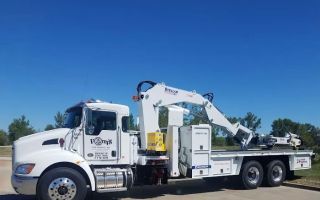
Choose a towing service with a solid reputation and experience in handling vehicle accidents, especially in parking garages. They should be familiar with the unique challenges of towing vehicles in tight spaces.
2. Availability and Response Time
Ensure the towing service is available 24/7 and can respond quickly. An efficient and timely response will help minimize downtime and prevent further complications.
3. Insurance and Licensing
Only hire towing companies that are properly insured and licensed. This protects you from any liabilities during the towing process and ensures that your vehicle is handled safely and professionally.
Conclusion
Handling a car accident in a parking garage can be challenging, but by staying calm, following the right steps, and seeking the necessary legal and insurance help, you can ensure a smooth recovery process. Always drive cautiously, follow the guidelines outlined above, and when in doubt, seek professional assistance from a towing service like Rescue & Towing for your towing needs.