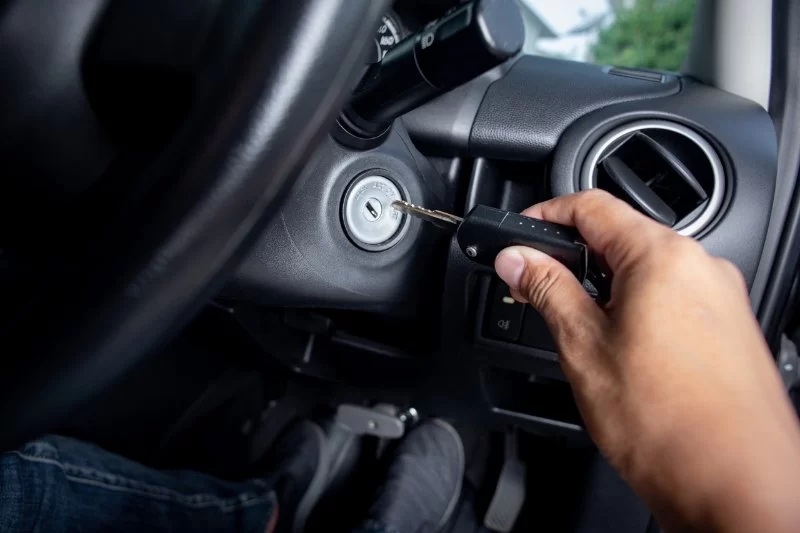
1. Understanding the Importance of a Strong Ignition System
The ignition system in your car plays a crucial role in starting the engine. It’s responsible for sparking the fuel-air mixture in the engine’s cylinders, which then powers your vehicle. When your ignition system is weak or malfunctioning, it can lead to starting issues, poor engine performance, or even a complete failure to start. Recognizing the signs of a weak ignition system early on can save you from major repairs and costly towing bills.

Pick Your Part - Help Yourself
1232 Blinn Ave, Wilmington, CA 90744, USA
2. Signs of a Weak Ignition System
Before your car breaks down or refuses to start, there are usually a few indicators that your ignition system may be weakening. Identifying these signs early can help prevent a more serious issue from developing. Some common signs of a weak ignition system include:

Pick Your Part - Greer
13054 E Wade Hampton Blvd, Greer, SC 29651, USA
2.1. Difficulty Starting the Car
If your car has trouble starting, especially on the first attempt or in cold weather, the ignition system might be the culprit. The engine may turn over, but the spark plugs may not be receiving enough power to ignite the fuel. This can lead to longer cranking times or complete failure to start.
2.2. Engine Misfires or Poor Performance
A weak ignition system can cause engine misfires, which result in rough idling, hesitation, or poor acceleration. If you notice your car sputtering or struggling to reach higher speeds, it could be a sign that the ignition system isn’t providing a consistent spark.
2.3. Warning Lights on the Dashboard
Modern vehicles come equipped with sophisticated diagnostic systems that monitor various components, including the ignition system. If your car’s ignition system is weak, it could trigger warning lights such as the Check Engine light or even the battery light. If you notice these lights coming on, it’s best to have your ignition system checked.
3. Causes of a Weak Ignition System
There are several factors that can contribute to a weak ignition system. Understanding these causes will help you diagnose the problem and take appropriate action:
3.1. Worn Out Spark Plugs
Over time, spark plugs can become worn out or fouled with carbon deposits. This can prevent them from providing a strong enough spark to ignite the fuel. If your spark plugs are old, replacing them is a simple and cost-effective fix that can improve ignition performance.
3.2. Faulty Ignition Coils
Ignition coils are responsible for transforming the battery’s low voltage into the high voltage needed to create a spark at the spark plugs. If an ignition coil is faulty, it can result in a weak or inconsistent spark, causing starting problems or engine misfires. Replacing a faulty coil can restore proper ignition performance.
3.3. Weak or Dead Battery
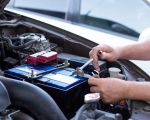
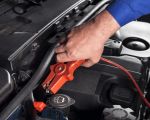
Your car’s battery supplies power to the ignition system. If the battery is weak or dead, it can cause starting issues. Ensure your battery is fully charged and in good condition. If your battery is old or damaged, it may need to be replaced to restore proper ignition function.
4. How to Fix a Weak Ignition System
If you suspect that your car’s ignition system is weak, there are a few steps you can take to fix the issue. Depending on the severity of the problem, you might be able to resolve it yourself or may need to seek professional help.
4.1. Replace Spark Plugs and Wires
One of the most common causes of a weak ignition system is worn-out spark plugs or damaged spark plug wires. Replacing these components is a relatively easy and affordable fix. Spark plugs should generally be replaced every 30,000 to 100,000 miles, depending on your vehicle’s make and model.
4.2. Check the Ignition Coils
If your spark plugs are in good condition but the engine is still misfiring, it might be time to check the ignition coils. A faulty ignition coil can cause inconsistent spark delivery, leading to poor engine performance. Replacing a faulty coil is a straightforward repair that can often be done at home if you have basic automotive knowledge.
4.3. Inspect the Battery
Before replacing any parts, make sure your car’s battery is in good shape. A weak or dead battery can mimic the symptoms of a weak ignition system. If the battery is old or not holding a charge, replacing it may solve your starting issues. Be sure to clean any corrosion off the battery terminals to ensure a good connection.
4.4. Visit a Professional Mechanic
If you’re unable to pinpoint the issue or if the problem persists after performing basic repairs, it’s best to visit a professional mechanic. A trained technician can run diagnostics to identify the exact cause of the weak ignition system and suggest the appropriate repair or replacement options.
5. Preventive Measures to Avoid Ignition System Problems
Once you’ve resolved the issue with your car’s ignition system, there are several steps you can take to prevent similar problems in the future:
5.1. Regular Maintenance
Regular maintenance, including replacing spark plugs, inspecting ignition coils, and testing the battery, can go a long way in preventing ignition system failures. Schedule regular tune-ups and inspections to ensure your car’s ignition system is working properly.
5.2. Use High-Quality Fuel
Using high-quality fuel can help keep your car’s ignition system in top shape. Low-quality or contaminated fuel can cause buildup in the ignition system, leading to poor performance and potential damage. Stick to reputable gas stations and use the recommended fuel grade for your vehicle.
5.3. Address Problems Promptly
If you notice any signs of a weak ignition system, such as difficulty starting the car or engine misfires, address the issue promptly. Ignoring the problem can lead to further damage and more costly repairs down the line.
If you're in need of assistance with your car's ignition system or any other automotive issues, be sure to contact us at Rescue & Towing for expert advice and reliable service. We're here to help you keep your vehicle running smoothly!