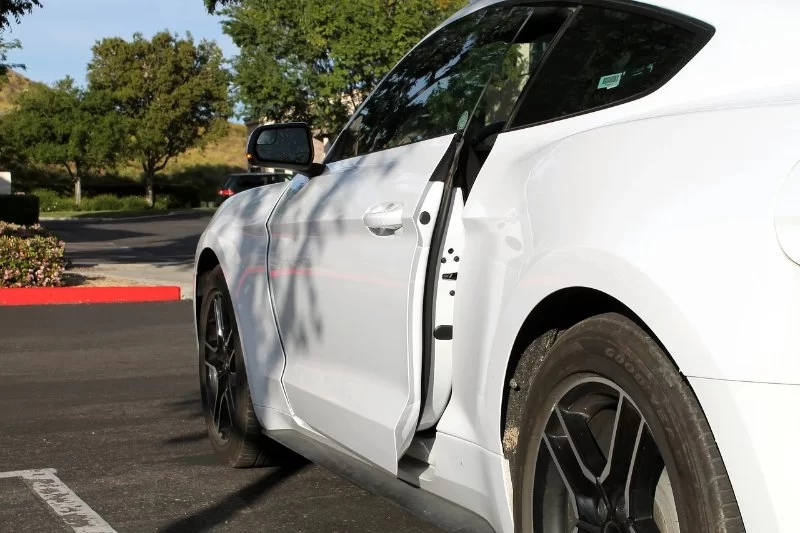
When your car door won’t close properly, it’s more than just an inconvenience—it can also pose a serious safety risk. Over the years, I’ve learned how frustrating it can be when your car door doesn't seal correctly, whether it’s making weird noises, not latching securely, or leaving a gap in the frame. I once had a situation where my car door wouldn't close fully, and it caused not only a noisy ride but also potential safety issues, especially when driving at high speeds. After doing a bit of research and consulting with a few experienced mechanics, I managed to fix the problem on my own. Let me take you through the steps of diagnosing and fixing a car door that doesn’t close properly.
1. Check the Door Alignment
The first thing you need to do when a car door won’t close properly is to check its alignment. Over time, doors can get misaligned due to wear and tear or even a slight accident. I’ve experienced this after a minor fender-bender, where the door’s hinges were knocked out of alignment. Misalignment can cause the door to not line up properly with the latch, preventing it from closing tightly.
To check the alignment, open the door and look at the gaps between the door and the body of the car. There should be a consistent gap around the entire door. If the gap is wider at the top or bottom, or if the door looks like it’s sagging, then the alignment is likely the issue. Sometimes, this problem can be fixed by adjusting the door hinges, which may involve loosening the hinge bolts and repositioning the door until it aligns correctly.
2. Inspect the Latch Mechanism
If the door seems aligned but still doesn’t latch properly, the issue might be with the latch mechanism. I once had a problem with my car’s latch, where the latch wouldn’t engage even though the door appeared to be fully closed. In my case, the latch was dirty and slightly corroded, which made it difficult for it to catch the striker plate properly.
To fix this, first inspect the latch mechanism by opening the door and looking at the latch on the edge of the door. You may need a flashlight to see inside the latch. Clean the latch with a cloth or a small brush to remove dirt and debris. If the latch appears damaged or worn, it might be necessary to replace it. Applying a small amount of lubricant to the latch mechanism can also help it function more smoothly.
3. Examine the Weatherstripping
Sometimes, a door doesn’t close properly because of damaged or worn weatherstripping. This happened to me once, and I couldn’t understand why my door wouldn’t close tightly despite everything else seeming fine. The weatherstripping is the rubber seal around the door that prevents water, wind, and noise from getting into the cabin. Over time, this rubber can wear down, crack, or even come loose, causing a gap that prevents the door from closing securely.
To check the weatherstripping, visually inspect the rubber seal around the door. If you notice any cracks, tears, or areas where the seal has come off, it may be time to replace it. Replacing weatherstripping is a relatively simple task that I did myself. I just bought the correct weatherstripping for my car model, peeled off the old rubber, and stuck the new one in place. This solved the problem of air and water leaks and helped the door close more securely.
4. Examine the Door Lock Actuator
Another culprit of a door that won’t close properly can be the door lock actuator, especially in power locks. In my case, I had an issue where the power lock wasn’t engaging properly, causing the door to remain slightly ajar even after it appeared to be closed. This problem is often related to a malfunctioning actuator, which is responsible for locking and unlocking the door.
To check if the actuator is the issue, press the lock button or use the key fob to lock and unlock the door. If you hear the lock mechanism trying to engage but it doesn’t fully lock, then the actuator might be the problem. Replacing an actuator can be a bit more complicated, but I was able to do it by removing the door panel and replacing the faulty actuator with a new one, which I ordered online.
5. Check for Debris in the Door Frame
Sometimes, debris like dirt, small stones, or even twigs can get stuck in the door frame, preventing the door from closing properly. I’ve had this happen on more than one occasion, especially after driving through dirt roads or parking near trees. To check for debris, open the door and inspect the frame, particularly around the edges of the door. If you find anything obstructing the frame, carefully remove it and try closing the door again.
6. Replace Worn or Damaged Hinges
If the door still isn’t closing properly, despite all of the above steps, the issue might lie with the hinges. Hinges are subject to wear and tear over time, and in some cases, they can become bent or damaged. I had to replace the hinges on one of my car doors after a small accident, and the difference was remarkable. When the hinges are damaged, they prevent the door from aligning with the latch properly.
To replace the hinges, you’ll need to remove the door from its frame, which requires some strength and precision. I took my car to a mechanic for this job because of the complexity, but you can also attempt it yourself if you're confident in your skills. Make sure to purchase the correct replacement hinges for your car model.
7. Seek Professional Help
If you’ve tried all these steps and your car door still won’t close properly, it may be time to consult a professional. Sometimes the problem could be deeper, such as a structural issue with the door frame or a more serious malfunction in the locking mechanism. I’ve had a few instances where a professional mechanic identified issues that I couldn’t spot on my own. They have the tools and expertise to address more complicated problems.
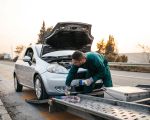
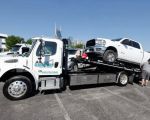
If you find yourself in need of towing or further assistance, I recommend visiting【Rescue & Towing】, a service that offers roadside assistance, towing, and professional help with car door issues.
Fixing a car door that won’t close properly can seem like a daunting task, but with the right approach and a little patience, most of the problems can be solved on your own. If you find that your car still isn’t operating correctly after troubleshooting, don’t hesitate to reach out to professionals for assistance. Safe driving starts with knowing that your car is functioning properly, and fixing issues like a door that won’t close tightly is an important step in ensuring that safety.