- #understanding-seat-belt-buckles - importance-of-cleaning - safety-concerns
- #common-issues - dirt-and-debris - stuck-or-faulty-mechanism
- #cleaning-preparation - tools-and-materials - safety-first
- #step-by-step-cleaning - removing-debris - deep-cleaning-methods
- #real-life-cases - driver-experiences - lessons-learned
- #when-to-seek-help - professional-services - rescue-and-towing-support
- #preventive-maintenance - regular-checks - long-term-care
Why Cleaning Seat Belt Buckle Receptacles Matters
The seat belt buckle receptacle is one of the most critical safety components in your car, yet it’s often overlooked in routine cleaning. Over time, dirt, crumbs, spilled drinks, and even small objects can find their way into the buckle, compromising its ability to latch securely. A dirty or jammed buckle isn’t just an annoyance—it can be a serious safety risk in the event of an accident.

Pick Your Part - Help Yourself
1232 Blinn Ave, Wilmington, CA 90744, USA
Common Issues with Seat Belt Buckle Receptacles
Dirt and debris buildup
Everyday use exposes buckle receptacles to dust, sand, and food particles. Children, for example, often drop snacks in the back seat, and small crumbs easily settle into buckles. Over time, this buildup prevents the buckle from clicking properly or makes it difficult to release.

Pick Your Part - Greer
13054 E Wade Hampton Blvd, Greer, SC 29651, USA
Stuck or faulty mechanisms
Sometimes the buckle appears clean but fails to latch because of internal wear, spilled sugary drinks, or rust from moisture exposure. Drivers often notice the buckle sticking or failing to release smoothly, which indicates the mechanism needs attention immediately.
Preparing to Clean the Buckle Receptacles
Tools you’ll need
Gather a few household tools: a can of compressed air, cotton swabs, a soft brush, mild soap or rubbing alcohol, and a small vacuum cleaner. For sticky residues, a bit of warm water mixed with mild dish soap works well. Always keep a towel handy to prevent excess moisture from entering the buckle.
Safety precautions before cleaning
Never attempt to clean seat belt buckles while driving or when the car is in motion. Park safely, switch off the ignition, and ensure the area is well lit. Avoid using harsh chemicals, as they can damage internal plastic or metal parts.
Step-by-Step Cleaning Guide
Removing loose debris
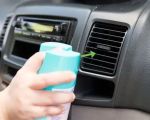
Start by holding the buckle upside down and gently tapping it to loosen crumbs and dust. Use compressed air or a vacuum with a nozzle attachment to clear out small particles. This alone often fixes minor sticking issues.
Deep cleaning for sticky or stubborn dirt
If residue is sticky, dip a cotton swab in rubbing alcohol or soapy water and carefully clean inside the slot. Avoid over-wetting, as excess liquid can damage internal components. For tougher grime, use a soft brush to scrub gently. Once cleaned, let the buckle dry fully before testing it.
Real-Life Experiences from Drivers
One parent from Texas shared how a spilled juice box caused her child’s seat belt buckle to jam completely. After trying compressed air without success, she used rubbing alcohol and cotton swabs to clean out the sticky residue. The buckle clicked perfectly again, preventing an expensive replacement. Another driver recalled finding a coin lodged inside his buckle, highlighting how small items can compromise safety unexpectedly.
When to Seek Professional Help
Recognizing when cleaning isn’t enough
If the buckle still refuses to latch securely after thorough cleaning, the internal mechanism may be damaged. Continuing to use a faulty buckle is dangerous. At this point, replacing the buckle or seeking professional repair is the safest option.
Rescue & Towing services
Rescue & Towing can assist when car safety components like buckles fail unexpectedly. From on-the-spot solutions to connecting you with trusted mechanics, their services ensure that safety issues are resolved quickly and professionally.
Preventive Maintenance for Buckle Receptacles
Making regular checks a habit
Inspecting buckles once a month can prevent small problems from turning into major safety hazards. Clicking each buckle and ensuring smooth release should become part of your routine car safety check.
Long-term care tips
Avoid eating messy foods in the car when possible, and use protective seat covers in family vehicles where spills are more likely. Keeping a small cleaning kit handy makes it easier to address problems before they escalate.