- Difference in Maintenance: Hybrid/Electric vs Gas Cars
- Cleaning Hybrid and Electric Cars
- Maintaining Batteries in Hybrid and Electric Cars
- Common Maintenance Mistakes for Hybrid/Electric Cars
- Rescue & Towing Recommendations for Hybrid/Electric Cars
1. Difference in Maintenance: Hybrid/Electric vs Gas Cars
Hybrid and electric vehicles (EVs) have gained significant popularity due to their environmental benefits and reduced operating costs. However, they require different care and maintenance compared to traditional gas-powered cars. Understanding these differences will help you keep your vehicle in top condition while ensuring it runs smoothly for years to come.

United Towing Service Inc.
26170 Adams Ave, Murrieta, CA 92562, USA
1.1 Engine vs Electric Motor
The most significant difference between hybrid/electric and gas cars lies in their powertrains. Gas cars rely on internal combustion engines (ICE) that require regular oil changes, spark plug maintenance, and air filter replacements. In contrast, hybrid and electric cars use electric motors, which don't require oil changes, and the maintenance process is much simpler.

J & J Towing
4560 N Webster Ave, Perris, CA 92571, USA
1.2 Brake System Differences
One of the benefits of driving a hybrid or electric car is the regenerative braking system. In this system, the vehicle's electric motor helps slow down the car, converting kinetic energy into electrical energy that charges the battery. This reduces wear on brake pads, meaning they generally need replacing less frequently than in gas-powered vehicles.
2. Cleaning Hybrid and Electric Cars
Cleaning hybrid and electric cars is similar to cleaning traditional gas-powered cars, but there are a few special considerations that you should keep in mind to ensure the longevity of your vehicle's components.
2.1 Exterior Cleaning
When cleaning the exterior of a hybrid or electric car, it's important to avoid using harsh chemicals or abrasive materials that could damage the paint or sensitive components. Always use gentle, eco-friendly cleaning solutions that are safe for both your car's finish and the environment. Additionally, for EVs, be mindful of the charging port and avoid getting water inside it during washing.
2.2 Interior Cleaning
The interior of hybrid and electric cars should be cleaned just like any other vehicle, but you should take extra care around the electronics. When vacuuming or wiping down surfaces, be cautious around the dashboard, infotainment system, and charging ports to avoid damaging sensitive components.
2.3 Battery Area Cleaning
For electric vehicles, the battery area should be regularly inspected and cleaned to prevent dirt and debris from affecting the system's efficiency. While you don’t need to clean the battery often, it's good practice to have the battery compartment checked periodically by professionals to ensure it’s free of dust and grime that could cause overheating.
3. Maintaining Batteries in Hybrid and Electric Cars
Proper maintenance of the battery is one of the most important aspects of caring for a hybrid or electric vehicle. While the battery in a gas-powered car is relatively simple, the advanced battery systems in hybrid and electric cars require specific attention to ensure they function optimally.
3.1 Battery Life Expectancy
One of the common concerns with electric and hybrid vehicles is battery life. Most manufacturers offer warranties of 8-10 years or longer for their battery systems, but taking good care of the battery can help it last even longer. Avoiding deep discharges, keeping the battery charged between 20% and 80%, and not leaving the car sitting for long periods without charging can extend battery life.
3.2 Charging Tips
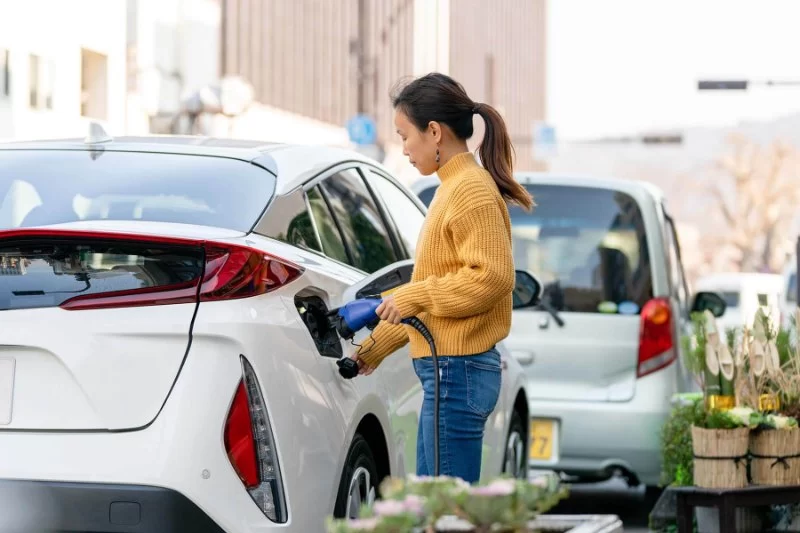
For electric vehicles, it's essential to understand how and when to charge your car. Using the right type of charger and avoiding overcharging or undercharging the battery can keep it in top condition. Additionally, regular fast charging can cause the battery to degrade more quickly, so it's best to rely on slower charging options when possible.
3.3 Regular Battery Inspections
Hybrid and electric cars should have their battery systems checked periodically by professionals. Look for signs of wear, such as a decrease in range or charging issues, and consult a mechanic if you notice anything unusual. Regular inspections can help detect and address issues before they become significant problems.
4. Common Maintenance Mistakes for Hybrid/Electric Cars
Even though hybrid and electric vehicles require less maintenance than traditional gas cars, there are still some common mistakes that can impact the vehicle's performance and longevity.
4.1 Neglecting Regular Software Updates
Many hybrid and electric vehicles have complex software systems that control everything from battery management to driving modes. Failing to keep the software up to date can result in decreased efficiency and even malfunctioning systems. Be sure to check for software updates regularly and take your car to a certified dealership for necessary upgrades.
4.2 Overlooking Tire Care
Hybrid and electric cars are often heavier than their gas-powered counterparts due to their battery packs. As a result, tire wear can be more pronounced, and tire pressure should be checked regularly. Proper tire maintenance is critical for maximizing efficiency and extending the lifespan of your tires.
5. Rescue & Towing Recommendations for Hybrid/Electric Cars
Hybrid and electric cars require specific towing considerations due to their battery systems. If your EV or hybrid breaks down, it’s important to use a towing service that is equipped to handle these types of vehicles. Unlike traditional cars, hybrids and EVs should never be towed with the drive wheels on the ground, as this could damage the electric motor or battery system.
At Rescue & Towing, we offer specialized towing services for hybrid and electric cars, ensuring your vehicle is safely transported without causing damage. We also provide roadside assistance for emergencies to get you back on the road quickly.