- #importance-of-correct-tire-pressure - safety-handling-and-fuel-efficiency
- #where-to-find-the-right-tire-pressure - vehicle-guidelines-vs-tire-sidewall
- #how-to-check-tire-pressure-properly - step-by-step-real-world-method
- #common-mistakes-drivers-make - inaccurate-readings-and-bad-habits
- #real-life-examples-and-roadside-lessons - what-happens-when-pressure-is-ignored
- #long-term-benefits-of-regular-checks - cost-savings-and-peace-of-mind
Why Correct Tire Pressure Matters More Than Most Drivers Think
Many drivers underestimate how much tire pressure affects daily driving. Understanding How to Check Tire Pressure Properly (and Why It’s Critical for Safety & Fuel Economy) is not just basic car maintenance—it is a core safety practice. Tires are the only part of your vehicle that directly touches the road, and even small pressure differences can change how your car behaves.
Underinflated or overinflated tires reduce traction, lengthen braking distance, and increase the risk of blowouts. From a fuel standpoint, improper pressure forces the engine to work harder, quietly draining your gas budget over time.
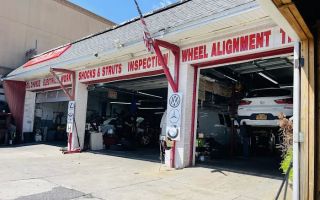
MR. TIRE INC.
2078 New York Ave, Huntington Station, NY 11746, USA
Safety, Handling, and Emergency Control
When tire pressure is too low, tires flex excessively, creating heat and instability. This can lead to poor steering response, especially during sudden maneuvers or wet conditions. Overinflated tires, on the other hand, reduce the contact patch with the road, making the vehicle feel stiff and unpredictable.
MR. TIRE INC.
2078 New York Ave, Huntington Station, NY 11746, USA
The Hidden Impact on Fuel Economy
According to automotive service professionals, even a few PSI below the recommended level can lower fuel efficiency noticeably over weeks of driving. Many drivers blame rising gas prices without realizing their tires are part of the problem.
Where to Find the Correct Tire Pressure for Your Vehicle
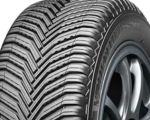
One of the most common mistakes drivers make is relying on the number printed on the tire itself. That number reflects the tire’s maximum pressure, not what your vehicle actually needs.
Vehicle Manufacturer Guidelines
The correct tire pressure is set by the vehicle manufacturer and is usually found on a sticker inside the driver’s door frame, glove compartment, or fuel door. This number balances comfort, safety, and efficiency for your specific vehicle.
Why Tire Sidewall Numbers Can Be Misleading
Inflating tires to the sidewall maximum can make the ride harsh and reduce grip. Following the vehicle’s recommended PSI ensures optimal performance across everyday driving conditions.
How to Check Tire Pressure Properly in Real-World Conditions
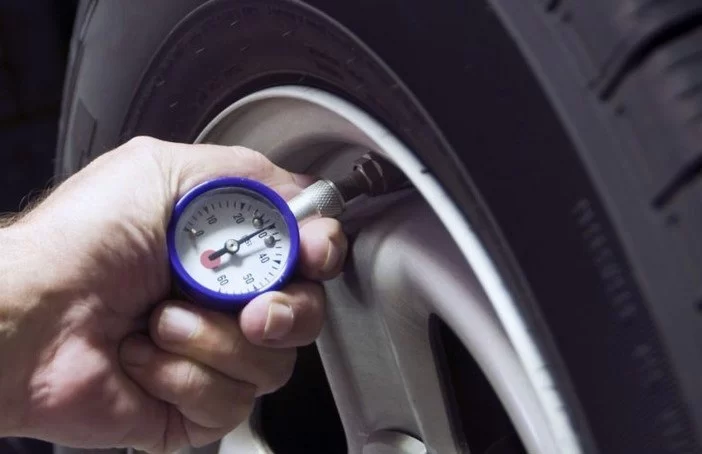
Checking tire pressure correctly takes only a few minutes, but timing and method matter. The most accurate readings come when tires are cold, ideally before driving or after the car has been parked for several hours.
Step-by-Step Method Drivers Can Trust
1. Remove the valve cap from one tire.
2. Press a quality tire pressure gauge firmly onto the valve stem.
3. Read the PSI and compare it to your vehicle’s recommended pressure.
4. Add or release air as needed, then recheck.
5. Repeat for all four tires, including the spare if accessible.
Why Digital and Manual Gauges Still Matter
Even vehicles with tire pressure monitoring systems benefit from manual checks. Dashboard warnings often activate only when pressure drops significantly, not when it is slightly off.
Common Tire Pressure Mistakes That Lead to Bigger Problems
Many drivers check tire pressure only when a warning light comes on. Others assume all tires lose air at the same rate, which is rarely true.
Seasonal Temperature Changes
Cold weather causes tire pressure to drop naturally. Drivers often experience warning lights in winter because they never adjusted pressure after temperature changes.
Ignoring Uneven Wear Patterns
Uneven tire wear is often a sign of pressure imbalance. Catching this early can prevent premature tire replacement and costly roadside issues.
Real-Life Roadside Lessons from Improper Tire Pressure
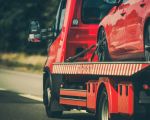
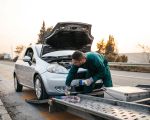
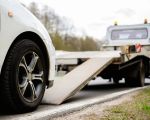
Roadside assistance providers frequently respond to calls caused by tire issues that could have been prevented. One common scenario involves drivers experiencing sudden tire failure on highways due to prolonged underinflation.
In many of these cases, drivers report they had no idea their tires were low until the situation became an emergency. Services like Rescue & Towing often emphasize that regular pressure checks are one of the simplest ways to avoid breakdowns and dangerous roadside stops.
What These Situations Teach Drivers
Most tire-related emergencies are not random. They are the result of gradual neglect. A few minutes of routine checking can prevent hours of stress and unexpected expenses.
The Long-Term Benefits of Making Tire Checks a Habit
Drivers who regularly check tire pressure report smoother rides, longer tire lifespan, and better fuel efficiency. Over time, these benefits add up financially and emotionally.
Cost Savings and Vehicle Longevity
Properly inflated tires wear evenly, reducing how often replacements are needed. Fuel savings accumulate quietly but consistently with correct pressure.
Confidence Every Time You Drive
Knowing your tires are properly inflated adds peace of mind. Whether commuting daily or heading out on a road trip, correct tire pressure supports safer, more predictable driving.