- 1-Understanding-Car-Battery-Basics
- 2-How-To-Check-Car-Battery-Health
- 3-Essential-Car-Battery-Maintenance-Tips
- 4-Common-Signs-Of-Battery-Problems
- 5-When-To-Seek-Professional-Help
1. Understanding Car Battery Basics
Car batteries are the heart of your vehicle’s electrical system, providing the power necessary to start the engine and run accessories when the engine is off. Knowing how to check and maintain your car battery is essential to avoid unexpected breakdowns and extend the battery’s lifespan. Most modern car batteries last between three to five years, but their health depends heavily on driving habits, climate, and proper care.
The battery itself stores electrical energy in chemical form, typically using lead-acid technology. It delivers a high burst of power when you start the engine and then relies on the alternator to keep it charged during driving. Understanding this basic function helps explain why regular checks and maintenance are crucial for reliable vehicle performance.

Pick Your Part - Help Yourself
1232 Blinn Ave, Wilmington, CA 90744, USA
2. How to Check Car Battery Health Effectively
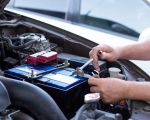
Checking your car battery regularly is simpler than many realize and can prevent inconvenient failures. The most common method is to use a multimeter or a dedicated battery tester, which measures voltage and provides a clear indication of the battery’s state of charge.
To check the battery voltage:
- Turn off your vehicle and ensure all electrical components are off.
- Set your multimeter to DC voltage, usually 20V range.
- Connect the positive (red) probe to the battery’s positive terminal and the negative (black) probe to the negative terminal.
- A healthy, fully charged battery should read around 12.6 volts or more. Readings below 12.4 volts suggest the battery is partially discharged and may need recharging or replacement.
In addition to voltage, inspecting the battery terminals for corrosion, leaks, or damage is important. Corroded terminals can prevent the battery from delivering power efficiently, causing starting issues.

Pick Your Part - Greer
13054 E Wade Hampton Blvd, Greer, SC 29651, USA
3. Essential Car Battery Maintenance Tips to Prolong Life
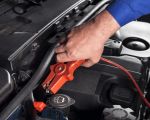
Maintaining your car battery involves a few straightforward but effective steps. First, keeping the terminals clean and tight prevents corrosion buildup. You can clean terminals with a mixture of baking soda and water, applied with a wire brush, then rinsed with clean water and dried thoroughly.
Second, regularly check the battery’s water levels if you have a serviceable battery. Top up distilled water as needed to keep plates submerged, which is vital for battery health.
Third, minimize short trips where the battery doesn’t get enough time to recharge. Longer drives allow the alternator to replenish battery charge more effectively. Also, avoid leaving lights or accessories on when the engine is off.
Lastly, during extreme weather—especially in cold winters—consider using a battery warmer or parking in sheltered areas to protect the battery from temperature stress, which can dramatically reduce performance.
4. Common Signs of Battery Problems and How to Respond
Recognizing early signs of battery trouble can save time and money. If you notice your car is slow to start, dim headlights, or electrical accessories malfunctioning, these could be red flags of a weakening battery. A frequent need to jump-start the vehicle also indicates battery issues.
One notable case involved a driver stranded in a remote area due to an old battery failing unexpectedly. Regular checks could have prevented this by identifying low voltage levels early. Experiences like this highlight the importance of proactive battery care.
Pay attention to any swelling or cracking of the battery casing, unusual smells of sulfur or rotten eggs, or visible leakage. Such signs warrant immediate battery replacement for safety reasons.
5. When to Seek Professional Help and Services
While DIY checks and maintenance cover many aspects of battery care, there are times when professional assistance is necessary. If you are unsure about testing procedures or encounter persistent battery problems, contacting experts is the safest approach.
Rescue & Towing offers professional battery testing, replacement, and roadside assistance, ensuring you won’t be stranded due to battery failure. Their services include jump-starting and delivering replacement batteries right to your location, providing peace of mind during emergencies.
Regularly scheduling professional inspections, especially before extreme weather seasons, helps keep your car battery in optimal condition and prevents unexpected breakdowns.