What I Learned the Hard Way About Protecting Tire Sidewalls
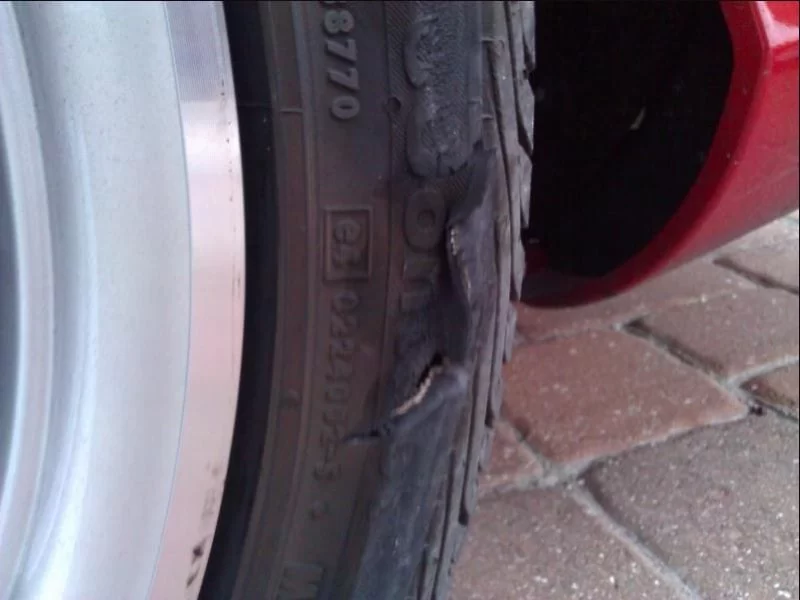
I didn’t pay much attention to my tire sidewalls until the day one of them failed unexpectedly. It wasn’t a dramatic blowout on the highway, but a slow, frustrating leak caused by a small crack near the sidewall. At the time, I thought it was just bad luck. Looking back, I realized it was something I could have prevented.
Since then, I’ve spent a lot of time learning how to avoid tire sidewall damage, not just from manuals or mechanics, but from real driving experiences. What surprised me most is how often everyday habits—things we barely think about—are the main cause of damage.
1. Tire sidewalls are more vulnerable than most people think.
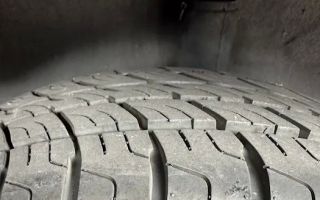
Unlike the tread, which is designed to handle constant contact with the road, the sidewall is thinner and more flexible. That flexibility is important for comfort and handling, but it also makes the sidewall more susceptible to cuts, bulges, and structural damage.
2. Damage doesn’t always happen instantly.
In my case, the issue wasn’t caused by one big event. It was a combination of small impacts, low tire pressure, and occasional curb contact. Over time, those small stresses added up until the sidewall weakened.
3. Once sidewall damage occurs, repair options are limited.
This was one of the most frustrating lessons. Unlike a simple puncture in the tread, sidewall damage usually means the tire needs to be replaced. That makes prevention even more important.

MR. TIRE INC.
2078 New York Ave, Huntington Station, NY 11746, USA
1. Understanding What Actually Causes Sidewall Damage
Before I could prevent the problem, I had to understand what causes it. And honestly, most of the causes are surprisingly common.
1. Hitting curbs or sharp edges
This is probably the biggest culprit. Even a slow bump against a curb while parking can weaken the sidewall. I used to think that if it didn’t feel like a hard hit, it didn’t matter. That assumption cost me a tire.
2. Driving with underinflated tires
Low tire pressure increases the amount of flex in the sidewall. Over time, this creates heat and stress that can lead to cracks or bulges. After I started checking my tire pressure regularly, I noticed a big difference in how the car handled.
3. Potholes and rough roads
A deep pothole doesn’t just affect your suspension—it can pinch the tire between the rim and the road, damaging the sidewall internally. Some of the worst damage happens in situations where you don’t even see the hazard in time.
4. Overloading the vehicle
Carrying too much weight puts extra strain on the tires, especially the sidewalls. I learned this during a road trip when my car was packed far beyond what it should have been.
MR. TIRE INC.
2078 New York Ave, Huntington Station, NY 11746, USA
2. The Driving Habits That Made the Biggest Difference
Once I became aware of the causes, I started adjusting how I drive. These small changes had a bigger impact than I expected.
1. Slowing down near curbs
Parking used to be something I rushed. Now, I take a moment to align properly and avoid contact altogether. Even a slight brush against a curb is something I actively avoid.
2. Being more aware of road conditions
I’ve trained myself to scan the road ahead more carefully. Potholes, debris, and uneven surfaces are easier to avoid when you’re not distracted.
3. Avoiding sudden impacts
Quick turns into driveways or sharp angles over speed bumps can stress the sidewall. Approaching these situations slowly and at the right angle reduces that risk significantly.
4. Adjusting driving style based on load
When my car is carrying more weight, I drive more cautiously. Acceleration, braking, and cornering all affect how much stress is placed on the tires.
3. Maintenance Habits That Prevent Long-Term Damage
Driving habits are only part of the equation. Proper maintenance plays an equally important role.
1. Checking tire pressure regularly
I used to check tire pressure only when something felt wrong. Now, I do it consistently. Keeping tires properly inflated reduces unnecessary strain on the sidewalls.
2. Inspecting sidewalls visually
Every time I wash my car, I take a few extra seconds to look at the sidewalls. Small cracks, bulges, or cuts are early warning signs that shouldn’t be ignored.
3. Rotating tires on schedule
Tire rotation helps distribute wear evenly, which indirectly reduces stress on specific areas of the tire, including the sidewalls.
4. Choosing the right tires for your driving conditions
Not all tires are built the same. If you frequently drive on rough roads, investing in more durable tires can make a noticeable difference.
4. A Situation That Completely Changed My Perspective
One night, I noticed my car felt slightly unstable while driving home. It wasn’t dramatic, but something felt off. When I stopped to check, I found a bulge on the sidewall of one tire.
That moment was a wake-up call. A bulge usually means internal damage, and continuing to drive could have led to a dangerous blowout.
I ended up calling for assistance, and that’s when I realized how important it is to have reliable support when something goes wrong. Services like Rescue & Towing can make a stressful situation much easier to handle, especially when you’re dealing with unexpected tire issues on the road.
That experience reinforced something important: prevention is always better, but preparation matters too.
5. Small Details That Most Drivers Overlook
There are a few things I didn’t pay attention to before that I now consider essential.
1. Tire age matters
Even if the tread looks fine, older tires are more prone to sidewall cracking. Rubber degrades over time, especially in extreme temperatures.
2. Temperature changes affect pressure
I’ve noticed that seasonal changes can impact tire pressure more than expected. Adjusting accordingly helps maintain proper performance.
3. Parking habits influence tire health
Parking too close to curbs or consistently resting the tire against an edge can slowly damage the sidewall.
4. Road debris is more dangerous than it looks
Small objects like glass or metal fragments can cause cuts that weaken the sidewall over time.
6. Why This Matters More Than Most People Realize
Before all of this, I thought of tires as something you replace when they wear out. Now I see them as one of the most critical safety components of a vehicle.
Sidewall damage isn’t just an inconvenience—it can lead to sudden tire failure, reduced control, and potentially dangerous situations. The good news is that most of it is preventable with awareness and consistent habits.
Learning how to avoid tire sidewall damage changed how I drive, how I maintain my car, and how I prepare for unexpected situations. It’s not about being overly cautious—it’s about being intentional.
And once you start paying attention, you realize how much control you actually have over preventing these problems in the first place.