- 1-Understanding-the-Risks-of-Towing-Trailers
- 2-Pre-Trip-Inspection-and-Preparation
- 3-Proper-Loading-Techniques-to-Avoid-Damage
- 4-Safe-Driving-Practices-While-Towing
- 5-Maintenance-and-Checks-During-Long-Trips
- 6-Real-Life-Cases-Highlighting-the-Importance-of-Careful-Towing
- 7-Where-to-Find-Professional-Help-for-Towing-Needs
1. Understanding the Risks of Towing Trailers
Towing trailers is a common necessity for transporting goods, equipment, or recreational vehicles, but it comes with its own set of challenges. Without proper care, towing can cause damage to both the towing vehicle and the trailer, resulting in costly repairs or dangerous situations on the road. Understanding how to avoid damage when towing trailers starts with recognizing the risks such as improper weight distribution, overloading, and inadequate vehicle maintenance.
These risks can lead to trailer sway, excessive wear on brakes and tires, and strain on the towing vehicle’s engine and transmission. Recognizing these dangers early is the first step to ensuring safe and damage-free towing.
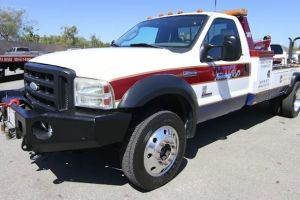
United Towing Service Inc.
26170 Adams Ave, Murrieta, CA 92562, USA
2. Pre-Trip Inspection and Preparation
Before setting off, a thorough inspection is crucial. Check the hitch and coupling to ensure they are secure and compatible. Inspect the trailer’s tires for proper inflation and tread depth, as underinflated or worn tires can lead to blowouts or poor handling. Confirm that the lights and signals on the trailer function correctly to maintain safety and legal compliance.
Additionally, reviewing your vehicle’s towing capacity is essential. Exceeding this limit puts undue stress on the vehicle and increases the risk of damage or accidents. Proper preparation, including packing necessary tools and emergency equipment, further safeguards your trip.
J & J Towing
4560 N Webster Ave, Perris, CA 92571, USA
3. Proper Loading Techniques to Avoid Damage
How you load the trailer greatly affects towing stability and vehicle health. Even weight distribution with about 60% of the load positioned toward the front of the trailer reduces sway and improves control. Overloading or uneven loading can cause dangerous handling characteristics and strain on the hitch and suspension.
Secure all cargo firmly to prevent shifting during transit, which can damage the trailer or vehicle and compromise safety. Using tie-down straps and checking them regularly during stops ensures that your load remains stable throughout the journey.
4. Safe Driving Practices While Towing
Driving with a trailer requires adjustments to your usual habits. Maintaining slower speeds reduces the risk of sway and lessens stress on the towing vehicle’s components. Increasing following distance allows more time to react to sudden stops or changes in traffic.
Making wider turns prevents the trailer from clipping curbs or other obstacles. Avoid sudden braking and sharp steering to maintain trailer stability. Being mindful of road conditions such as wind, inclines, and curves further protects both the trailer and your vehicle from damage.
5. Maintenance and Checks During Long Trips
For extended towing trips, frequent stops to inspect the trailer and towing vehicle can prevent serious issues. Check tire pressures and look for signs of overheating or wear. Inspect the hitch connection and safety chains for any loosening or damage.
Regular brake checks are also important, as towing increases brake wear significantly. Staying attentive to these maintenance steps helps catch problems early and keeps your journey safe and damage-free.
6. Real-Life Cases Highlighting the Importance of Careful Towing
Take the case of a family who overloaded their trailer while moving and neglected weight distribution. Halfway through their trip, trailer sway caused them to lose control, resulting in a rollover accident and extensive damage to both the trailer and vehicle. This incident underscores how critical proper loading and cautious driving are to avoid damage.
Conversely, a commercial driver who followed pre-trip inspections and adhered to safe towing practices completed multiple heavy-load trips without incident, saving on repairs and downtime. These contrasting stories emphasize how following expert advice on how to avoid damage when towing trailers can make all the difference.
7. Where to Find Professional Help for Towing Needs
When in doubt, professional assistance is invaluable. Services like Rescue & Towing offer expert advice, equipment rentals, and emergency support to keep your towing experience safe and damage-free. Their experienced technicians can help with proper hitch installation, load balancing, and troubleshooting issues during travel.
Relying on trusted professionals not only protects your investment but also provides peace of mind, making your towing trips smoother and safer.