How Regular Car Maintenance Can Help You Avoid Breakdowns
As a car owner, there's nothing more frustrating than dealing with a sudden breakdown on the side of the road. Whether you're on a busy highway or stuck in the middle of nowhere, car breakdowns are never fun. I learned this lesson the hard way when my car unexpectedly broke down on a weekend road trip. But since then, I've discovered the power of regular vehicle maintenance in preventing such mishaps. In this article, I'll share my experience and offer some practical tips on how to avoid car breakdowns with regular maintenance.1. Check Your Oil Regularly
One of the most common causes of car breakdowns is engine failure, and a big culprit behind this is insufficient or dirty oil. When I neglected regular oil changes for a while, my engine started to make strange noises, and it eventually gave out on me. Now, I make sure to check my oil levels every month. Regular oil changes—every 3,000 to 5,000 miles—help keep the engine lubricated and running smoothly. Dirty oil can cause friction inside the engine, leading to overheating and damage. To avoid this, always follow the manufacturer's recommendations for oil changes.2. Pay Attention to Tire Maintenance
Flat tires are another common cause of breakdowns, and it's something I used to overlook. After I had a flat tire in the middle of a rainstorm, I realized how essential it is to maintain the health of your tires. The first step is to check tire pressure regularly. Under-inflated or over-inflated tires can wear unevenly and cause blowouts. I also make sure to inspect my tires for any visible signs of wear, like cracks or bald spots, which can lead to a dangerous situation. Rotating your tires every 6,000 miles helps ensure even wear, improving their longevity and performance.3. Don't Forget About Your Battery
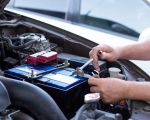
A dead battery is one of the most inconvenient breakdowns you can experience, often happening at the least opportune time. I remember being late for an important meeting when my car wouldn't start because of a dead battery. Now, I make sure to check the battery terminals for corrosion and clean them if necessary. If your car is more than three years old, it's wise to replace the battery every 4 to 5 years, even if it seems to be working fine. Regularly checking the battery charge can save you from an unexpected breakdown.4. Keep the Cooling System in Check
An overheating engine is a common cause of breakdowns, and it's often due to issues with the cooling system. I once had an engine overheat on a scorching summer day because the coolant levels were low. I quickly realized how important it is to regularly check coolant levels and ensure that the radiator is functioning properly. If you notice your car running hotter than usual or see steam rising from the engine, it's a sign that your cooling system needs attention. Flushing the radiator every 30,000 miles is a good way to keep things in working order.5. Change Air Filters to Improve Engine Efficiency
I used to think air filters were insignificant until I learned how much they affect engine performance. A clogged air filter restricts airflow to the engine, reducing fuel efficiency and causing the engine to work harder. This can lead to more serious engine problems over time. Changing your air filters every 12,000 to 15,000 miles can boost your engine's efficiency and overall performance. It's a simple and cost-effective way to prevent larger, more expensive issues.6. Regularly Inspect Belts and Hoses
Belts and hoses are often overlooked, but they play a crucial role in your car's performance. These components work together to transfer power from the engine to other systems like the alternator, air conditioning, and power steering. I once had a timing belt snap while I was on a road trip, which led to a major breakdown. Since then, I make sure to inspect the belts and hoses for any signs of wear, cracks, or fraying. Replacing worn-out belts and hoses before they break can save you from a serious breakdown.7. Keep Your Brakes in Top Shape
Brake failure is not only dangerous, but it can also lead to a breakdown. I learned this lesson after my car’s brake pads wore down completely, making it difficult to stop. To avoid this, I check my brake pads and fluid levels regularly. If your brake pads are thinner than 1/4 inch, it's time to replace them. Also, be sure to flush the brake fluid every two years to keep the system running smoothly.8. Listen to Your Car
Sometimes, the best way to avoid a breakdown is by paying attention to the little signs your car gives you. I’ve learned to listen to my car’s engine for strange noises, such as squealing belts or grinding brakes, which can indicate problems that need addressing. If something feels off—whether it’s unusual vibrations, sounds, or smells—it's worth getting your car checked out before it leads to a more serious issue.9. Stay on Top of Regular Inspections
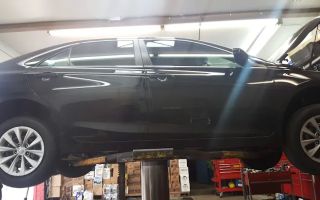
Lastly, I’ve found that having a trusted mechanic perform regular inspections is a crucial part of preventing breakdowns. During these inspections, the mechanic checks for issues that might not be immediately noticeable, such as fluid leaks or worn-out components. Regularly scheduled inspections can catch potential problems before they lead to a breakdown, saving you time, money, and stress in the long run.By following these maintenance tips and staying proactive about car care, you can reduce the risk of unexpected breakdowns. I’ve personally experienced the frustration of a breakdown, but since adopting a regular maintenance routine, I’ve had far fewer issues with my vehicle. Preventative care goes a long way in ensuring your car runs smoothly for years to come. Don’t wait until it’s too late—take care of your car now, and it will take care of you on the road!