How to Check the Health of Your Car's Electrical System
As a car owner, I understand how vital it is to keep an eye on my vehicle's health, especially the electrical system, which is often overlooked until something goes wrong. I’ve had my fair share of experiences with electrical issues in my car, and through trial and error, I've learned some valuable tips and steps that I’d love to share with you. The electrical system in a car powers everything from the ignition to the lights and the radio. Without a well-functioning electrical system, none of these components will work, and I’ve learned the hard way that addressing issues early can save a lot of hassle and expensive repairs later on.
1. Understanding the Basics of Your Car’s Electrical System
The electrical system in a car is made up of several key components: the battery, alternator, fuses, wires, and electronic control units. These all work together to power your vehicle's various systems. The battery stores electrical energy, the alternator charges the battery while the engine runs, and the fuses prevent electrical overloads from damaging components. These systems can also be controlled by the car’s electronic control units (ECUs), which manage functions like air conditioning, engine performance, and even the transmission.
It’s crucial to maintain and monitor all these elements to avoid unexpected breakdowns. For me, understanding how each component works together has been key to identifying potential issues before they escalate.
2. Checking the Battery’s Condition
My first stop when I suspect there’s an electrical issue is always the battery. A weak or failing battery can cause a myriad of issues, from dimming lights to the car not starting at all. Here’s how I check the condition of my battery:
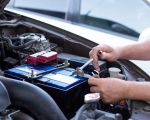
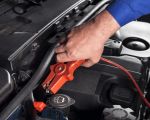
- Check for Corrosion: I start by inspecting the battery terminals for any signs of corrosion. This is a buildup of white, powdery substance around the positive and negative terminals, which can reduce the battery's efficiency. I use a mixture of baking soda and water to clean it off if necessary, but I’m careful not to let it spill onto the battery’s surface.
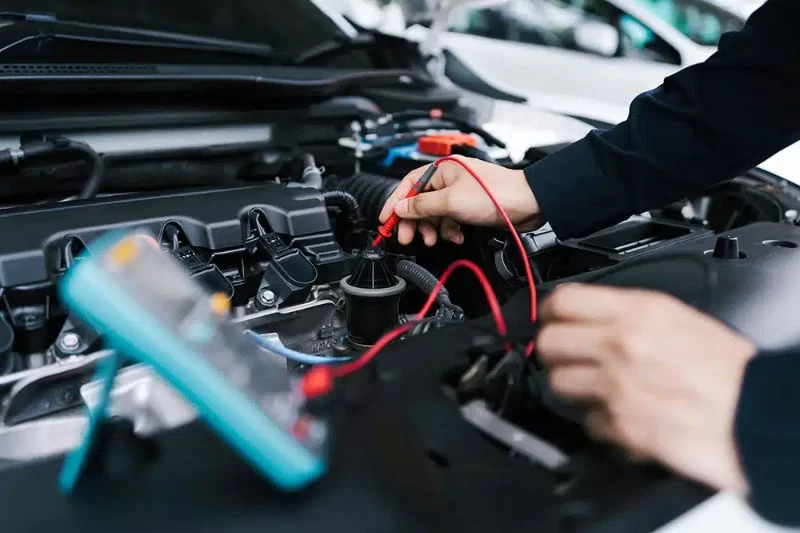
- Test the Battery Voltage: I use a multimeter to check the battery's voltage. A healthy, fully charged battery should have about 12.6 volts when the car is off. If it reads 12.0 volts or lower, the battery might be weak and could require a charge or replacement.
- Test the Battery’s Charge: With the engine running, I check the voltage again. It should be between 13.7 and 14.7 volts. If it’s lower than that, it could indicate that the alternator is not charging the battery properly.
If I’m unsure about the results, I take the car to a professional to run a load test on the battery, which can provide a more detailed analysis of its condition.
3. Inspecting the Alternator
The alternator is what keeps your battery charged while the car is running. If your alternator is failing, it can quickly drain the battery and lead to a series of electrical issues. Here’s how I test the alternator’s performance:
- Dim or Flickering Lights: I pay attention to the headlights and dashboard lights while I’m driving. If they start to dim or flicker, it could be a sign that the alternator isn’t providing enough power to the electrical system.
- Strange Noises: I listen for any unusual whining or grinding noises coming from the engine. A failing alternator can make these noises, especially if the bearings are worn out.
- Check the Charging Voltage: I use my multimeter to check the voltage while the car is running. If the reading is below 13.7 volts, the alternator is likely not working efficiently.
In some cases, I’ve had to replace the alternator, but sometimes the problem is just a loose or worn-out drive belt, so I also check the belt tension and condition.
4. Examining the Fuses and Wiring
Wiring issues are another common cause of electrical problems. Worn or damaged wires can cause power shortages or shorts, and fuses that blow regularly are a sign that something is wrong. Here’s what I check:
- Fuses: I look through the car’s fuse box to check for any blown fuses. A blown fuse often indicates an issue with that circuit, such as a malfunctioning component or short circuit.
- Wiring Inspections: I regularly inspect the car’s wiring harnesses for any visible signs of wear, fraying, or exposed wires. I also check for any wires that might be rubbing against hot or moving parts that could cause a short.
- Ground Connections: A poor ground connection can cause all sorts of electrical issues. I check the ground wires that connect to the car’s chassis to ensure they’re clean and secure.
If I suspect there’s a short or wiring problem that’s hard to pinpoint, I consider having the car professionally inspected to avoid any long-term damage.
5. Using Diagnostic Tools for Deeper Issues
For more complex issues, I turn to diagnostic tools like the OBD-II (On-Board Diagnostics) scanner. This tool reads trouble codes from the car’s computer, which can help identify electrical malfunctions or faults within the car's system.
I connect the OBD-II scanner to the car's diagnostic port, typically found under the dashboard, and read the codes. If there are electrical faults, the scanner will point to the specific component or circuit causing the issue. It’s been incredibly helpful for pinpointing problems that aren’t immediately obvious to the naked eye.
6. Professional Help and When to Call for Assistance
Sometimes, despite my best efforts, I find myself stumped by electrical problems. That’s when I reach out for professional help. It’s important not to ignore electrical issues, as they can quickly escalate and lead to more serious, costly problems. If you’re facing persistent electrical issues that you can’t diagnose or repair yourself, I recommend contacting a trusted mechanic or automotive electrician.
If you're in need of a quick and reliable service, consider reaching out to Rescue & Towing for expert assistance. Whether it’s a jump-start, diagnosing electrical faults, or handling more complicated repairs, they offer professional solutions to get you back on the road quickly.
One of the best things I've done is keep an eye on my car’s electrical system, performing regular checks and maintenance. This proactive approach helps me catch small issues before they become big problems, saving both time and money in the long run.