- engine-oil-and-filter-care
- brake-system-inspection-and-servicing
- tire-maintenance-and-wheel-alignment
- coolant-and-fluids-check
- battery-and-electrical-systems
- air-filters-and-intake-maintenance
- routine-inspection-and-service-scheduling
- when-to-call-rescue-towing
1. Engine Oil and Filter Care
Your BMW’s engine relies on high-quality oil to lubricate moving parts, reduce friction, and carry away heat. Following a proper BMW car maintenance guide means changing the oil every 7,500 to 10,000 miles or once a year—whichever comes first—using manufacturer-recommended synthetic oil grades such as 0W-30 or 5W-30.

Pick Your Part - Help Yourself
1232 Blinn Ave, Wilmington, CA 90744, USA
1.1 Choosing the Right Oil
BMW engines often require oils meeting Longlife-01 or Longlife-04 specifications. These oils resist thermal breakdown and protect turbochargers and direct-injection systems. Always verify the oil specification in your owner’s manual or through your iDrive service menu.

Pick Your Part - Greer
13054 E Wade Hampton Blvd, Greer, SC 29651, USA
1.2 Replacing the Oil Filter
Every oil change should include a new filter. BMW-specific filters have finer mesh to trap microscopic debris, preserving pump longevity and engine health. Neglecting filter replacement can cause accelerated wear and trigger the dashboard’s oil service warning light prematurely.
1.3 Monitoring Oil Levels
Modern BMWs use electronic oil level sensors. Use the onboard check function monthly: park on level ground, let the engine warm up then turn it off for five minutes, and follow the display prompts. If levels drop between services, top up with the same oil spec to avoid warranty issues.
2. Brake System Inspection and Servicing
Brakes are critical for safety and performance in a BMW. A robust BMW car maintenance guide emphasizes inspecting pads, discs, and fluid at least every 10,000 miles or annually.
2.1 Brake Pad Wear and Disc Condition
Visually inspect brake pads through wheel spokes or during wheel changes. Replace pads when thickness falls below 3mm to prevent disc scoring. Also check rotors for warping or heat cracks—signs of aggressive driving or overheating, common in performance models like the M series.
2.2 Brake Fluid Flush
Brake fluid attracts moisture over time, lowering boiling point and risking fade under heavy use. BMW recommends flushing fluid every two years using DOT 4 or higher. A professional brake bleed ensures no air remains in lines, preserving pedal firmness.
3. Tire Maintenance and Wheel Alignment
Proper tire care enhances handling, fuel economy, and ride comfort. As part of a comprehensive BMW car maintenance guide, check tire pressure monthly and rotate tires every 6,000 miles to promote even wear.
3.1 Tire Pressure Monitoring
BMW models feature direct or indirect TPMS systems. Inflate tires to manufacturer-specified pressures—usually 32–36 psi—listed on the driver’s door jamb. Underinflated tires overheat and reduce grip; overinflated tires wear center treads prematurely.
3.2 Wheel Alignment and Balancing
Alignment ensures proper camber, toe, and caster angles. Even slight misalignment can cause uneven tire wear and steering pull. Have alignment checked annually or after hitting potholes. Balancing eliminates vibrations at speed, protecting suspension components common in adaptive M sport packages.
4. Coolant and Fluids Check
BMW cooling systems maintain optimal engine temperature. A thorough BMW car maintenance guide advises inspecting coolant level and condition every six months and replacing coolant every three years or 36,000 miles.
4.1 Coolant Type and Replacement
Use BMW-approved ethylene glycol-based coolant with corrosion inhibitors. Mixing different brands can cause gelling and block narrow heater cores. A coolant flush removes rust and debris, preventing radiator and water pump failures.
4.2 Other Fluid Inspections
Don’t overlook transmission fluid, power steering fluid (if hydraulic), and differential oil. Modern BMW automatics often have “lifetime” fluid, but high-mileage or towing usage may warrant replacement every 60,000 miles. Check reservoirs for color changes—dark or milky fluid indicates contamination.
5. Battery and Electrical Systems
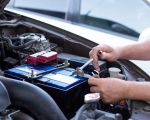
BMW electronics—from keyless entry to adaptive suspension—demand robust battery health. A key step in any BMW car maintenance guide is testing battery capacity annually, especially before summer heat or winter cold seasons.
5.1 Battery Testing and Replacement
Use a digital battery tester to measure cold-cranking amps (CCA). Values below 500 CCA suggest declining performance. Replace the AGM battery with OEM spec units to ensure smart charging compatibility with start-stop systems.
5.2 Electrical Diagnostics
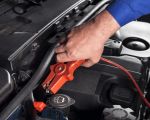
Run a full electrical system scan—checking alternator output, starter health, and onboard control modules—during annual service. Address red warning lights promptly to avoid stranded battery drain scenarios, where Rescue & Towing can assist with jump-starts or replacements.
6. Air Filters and Intake Maintenance
Clean air improves combustion efficiency. As part of a detailed BMW car maintenance guide, replace the engine air filter every 30,000 miles or sooner in dusty environments.
6.1 Cabin Filter Replacement
The pollen filter refreshes interior air quality and protects HVAC components. Change it every 15,000 miles to avoid odors and reduced airflow, common in heavily trafficked urban areas.
6.2 Intake System Cleaning
Direct-injection engines can accumulate carbon on intake valves. A walnut shell blast or specialized chemical service every 60,000 miles restores airflow and prevents rough idling—a service many BMW dealers now offer.
7. Routine Inspection and Service Scheduling
Following a structured BMW car maintenance guide means adhering to the manufacturer’s service intervals. Use the iDrive “Vehicle Status” menu to monitor upcoming checks and resets.
7.1 Dealer vs. Independent Specialist
BMW dealers follow strict protocols with genuine parts, but independent European auto specialists often provide cost savings and personalized attention. Verify that shops use OEM or approved aftermarket components to maintain warranty eligibility.
7.2 Record Keeping
Document all services—dates, mileage, parts used—in a maintenance log. Proven maintenance history boosts resale value and simplifies diagnostics if issues arise.
8. When to Call Rescue & Towing
Even with perfect maintenance, roadside emergencies happen. If your BMW suffers a breakdown—due to battery failure, coolant leak, or tire blowout—professional assistance can minimize damage and stress. Rescue & Towing offers 24/7 roadside support, including flatbed towing, jump-start services, and mobile tire changes. Having their contact saved ensures you’re never stranded on remote highways or city streets.
By integrating proactive upkeep with reliable emergency support, this BMW car maintenance guide equips you to enjoy the ultimate driving experience BMW offers—smooth, confident, and worry-free.