1. Understanding Roadside Assistance and Its Benefits
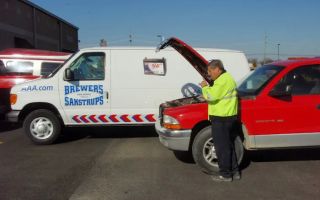
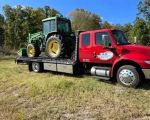
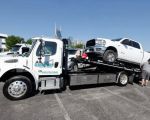
Roadside assistance provides peace of mind when unexpected breakdowns, flat tires, or lockouts happen on America’s busy highways. Before you ever need help, familiarizing yourself with best practices for calling roadside assistance ensures swift, efficient service. Providers like AAA, insurance add-ons, and dedicated towing companies—such as Rescue & Towing—offer varying levels of coverage: jump starts, fuel delivery, tire changes, towing, and even locksmith help. Understanding what your plan covers, response time guarantees, and any service limits (distance or number of annual calls) sets realistic expectations. Planning ahead allows you to choose the right membership level and contact information, transforming a stressful situation into a manageable chore.
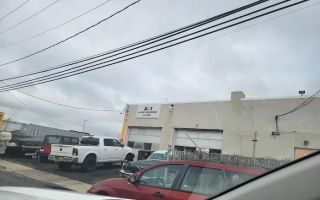
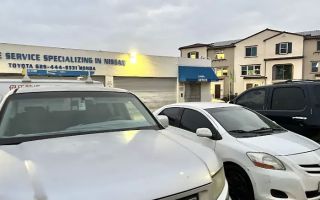
California Roadside Service
1426 S Allec St, Anaheim, CA 92805, USA
2. Preparing Your Vehicle and Documents in Advance
Preparation is the cornerstone of effective roadside assistance calls. Keep a dedicated roadside kit in your trunk—jumper cables, reflective triangles, a flashlight, gloves, and basic tools. Equally important are your documents: store your membership card or insurance policy number, registered vehicle information (make, model, VIN), and emergency contact numbers in your glovebox. Many providers now offer mobile apps; downloading and logging into your app—such as Rescue & Towing’s companion app—allows you to request service with one tap, share GPS location automatically, and track your service provider’s ETA in real time. By organizing both physical and digital resources before departure, you streamline the call process and reduce on-scene stress.
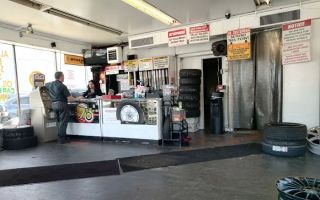
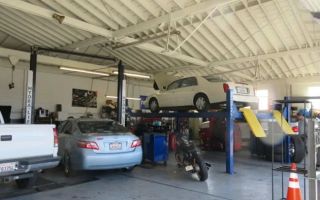
Good Auto Repair
8820 Alondra Blvd, Bellflower, CA 90706, USA
3. Selecting the Right Roadside Assistance Provider
Not all roadside assistance plans are equal. When evaluating options, compare:
3.1 Coverage Scope
Look beyond basic towing. Does the plan include lockout service, winch-out from ditches, or battery replacements? For drivers in rural areas or off-road enthusiasts, extended services from Rescue & Towing—like off-road recovery and heavy-duty towing—can be invaluable.
3.2 Response Time and Reviews
Average response times vary from 30 minutes in urban settings to over an hour in remote regions. Read customer feedback on service punctuality and technician professionalism. A provider that publishes real-time tracking and ETA, such as via a mobile app, often delivers more reliable service.
3.3 Cost and Membership Flexibility
Annual fees range widely. Assess whether per-incident fees apply after a set number of calls or mileage. Family plans that cover multiple vehicles may offer better value than single-vehicle memberships. Some credit card companies also bundle roadside assistance—verify scope and restrictions before relying solely on that benefit.
4. Recognizing Situations That Warrant Immediate Assistance
Knowing when to call roadside assistance distinguishes best practices for calling roadside assistance from reactive panicking. Key scenarios include:
4.1 Vehicle Won’t Start
Battery failure or starter issues demand prompt jump-start service. Attempting repeated self-jumps can drain both vehicles and worsen the problem.
4.2 Flat Tire or Damaged Wheel
If you lack the tools or a safe shoulder space, calling for a tire change or tow avoids roadside hazards. Rescue & Towing technicians arrive with hydraulic jacks and full spare-tire kits.
4.3 Overheating or Fluid Leaks
An overheated engine risks severe damage. Instead of topping coolant on a hot engine, secure a tow to a service center immediately.
4.4 Locked Keys or Lost Fob
Locksmith services included in most plans can open your vehicle without damage—essential when key-fob batteries die or keys break inside locks.
5. Communicating Clearly and Efficiently
When you call, precise information accelerates dispatch. Follow this communication protocol:
5.1 Identify Yourself and Policy Details
State your name, membership number, vehicle plate, and location immediately. Having these details at your fingertips prevents fumbling and delays.
5.2 Describe the Issue Concisely
Use simple phrases: “Car won’t crank,” “Front passenger tire flat,” or “Engine overheating.” Avoid technical jargon if unsure—providers recognize common descriptors and ask follow-up questions as needed.
5.3 Provide Exact Location and Safety Cues
Highway mile markers, exit numbers, GPS coordinates, or identifiable landmarks help technicians find you quickly. If nighttime or low visibility, mention active hazard lights or reflective triangles in place.
5.4 Confirm Estimated Arrival Time
Ask for an ETA range and note the provider’s tracking link or reference number. This allows you to update family or job dispatchers and assess alternative plans if the wait extends.
6. Ensuring Personal and Vehicle Safety While You Wait
Once service is en route, prioritize safety:
6.1 Position Your Vehicle Safely
Move to the widest shoulder or, if possible, into a nearby parking lot. Turn off your engine to avoid carbon monoxide buildup, and engage hazard lights.
6.2 Set Up Warning Devices
Place reflective triangles or flares at least 50 feet behind your car. If you have a high-visibility vest, wear it when outside the vehicle, especially on busy roads.
6.3 Stay Inside When Appropriate
On high-speed highways with no safe shoulder, stay in your locked vehicle with seatbelt fastened. Call 911 if you feel endangered or if debris and oncoming traffic create immediate hazards.
7. Tracking Service and Providing Feedback
Modern providers offer live tracking. After placing your call:
7.1 Use the Mobile App or SMS Updates
Link your service request to the app—such as Rescue & Towing’s platform—to see your technician’s location, vehicle details, and ETA. This transparency reduces anxiety and lets you time your roadside preparations.
7.2 Inspect the Technician’s Credentials
When the tow or service vehicle arrives, verify company logos and ask the technician to show identification. Genuine providers maintain branded trucks and certified staff.
7.3 Offer Constructive Feedback
After service, complete the provider’s survey or app rating. Highlight what worked—rapid response, courteous technician—and note areas for improvement. This feedback loop drives higher standards across the industry.
8. Leveraging Additional Benefits and Towing Options
Beyond the immediate fix, your roadside plan may include extras:
8.1 Trip Interruption and Travel Discounts
Some memberships reimburse lodging or rental cars if breakdowns occur far from home. Check your policy for per-day limits and documentation requirements.
8.2 Battery Replacement and On-Site Repairs
Premium plans occasionally offer on-site battery delivery and installation. Rather than a tow to a shop, technicians arrive with new batteries and specialty tools to restore your mobility immediately.
8.3 Pre-Negotiated Towing Rates
If your plan covers towing, ask for pre-arranged rates to partner service centers. Rescue & Towing’s network agreements often lower costs and guarantee prioritized scheduling at affiliated repair shops.
By knowing and using these ancillary services, you maximize value and maintain momentum on your travels rather than getting sidelined by vehicle issues.